



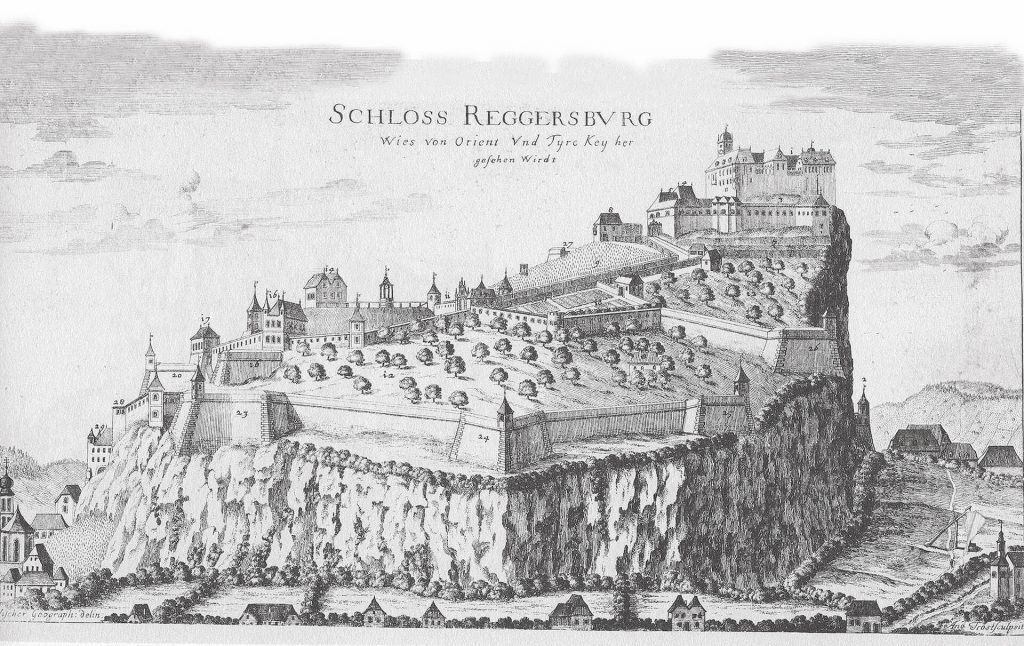
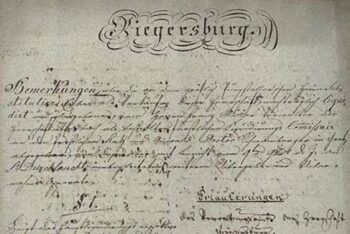
The first documented mention
...of Riegersburg dates back to the year 1128. It contains the name “Ruotkerspurch”, which can be traced back to the owner at the time, named Rüdiger.
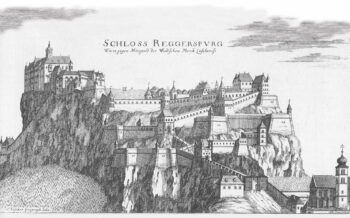
Lower castle Lichtenegg
In the Middle Ages, there was a second fortress on the castle grounds. The so-called "Niedere Veste Lichtenegg". Today there is a viewing platform there.
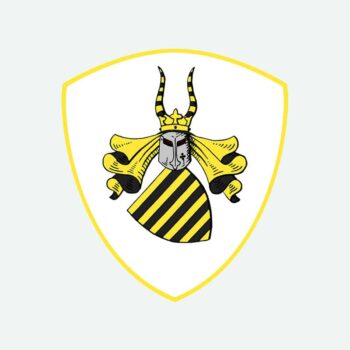
Kuenring-Dürnstein family
When the last of the Riegersburg-Wildonians died childless in 1249, the powerful Kuenring-Dürnstein family came into possession of the main castle.

Ulrich of Walsee-Graz
In 1299, Ulrich von Walsee-Graz purchased Riegersburg. Until 1363, it was owned by the Styrian Walsee family, after which it was inherited by the Upper Austrian branch family Walsee-Enns. During the so-called “Walsee Feud” in 1412, Duke Ernest the Iron-Willed managed to capture the “Lower Fortress”, and the main castle, “Kronegg”, capitulated. Just five years later, however, the Walsee family regained possession of the castles. This experience may have prompted them to build the “Eselsteig” as a secondary access route.
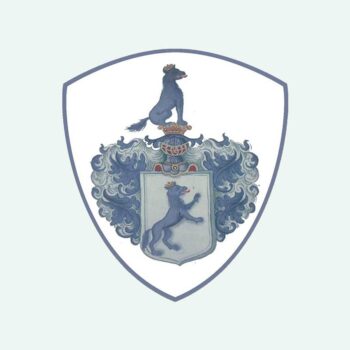
Reinprecht of Reichenburg
After an unsafe period defined by plagues, famines and warlike invasions by Ottomans and Magyars, the fortress came into the possession of Reinprecht von Reichenburg in 1479.
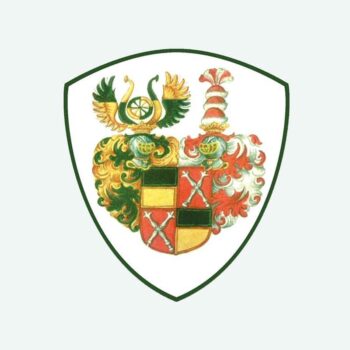
Erasmus Freiherr von Stadl / Georg Christoph von Ursenbeck
Through marriage, Riegersburg passed from the Reichenburg family to Erasmus, Baron von Stadl, in 1571, who began expanding the upper castle. At the beginning of the Thirty Years’ War, in 1618, he sold the castle to Georg Christoph von Ursenbeck. This family is responsible for the inscription on the windowpane in the Knights’ Hall.
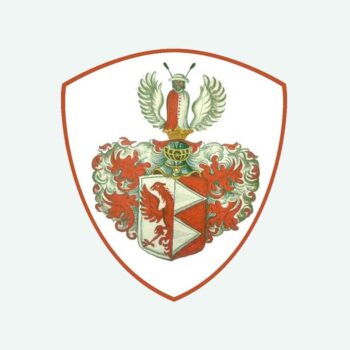
Baron Seyfried of Wechsler
During the Thirty Years' War, Styria was spared from direct acts of war, though it did suffer the repercussions of the counter-reformation. In 1637, Baron Seyfried von Wechsler, a wealthy man from Radkersburg, became the owner of the Riegersburg. Because he died heirless the Riegersburg was inherited by his sister, Baroness Elisabeth Katharina Wechsler, who was born around 1607.
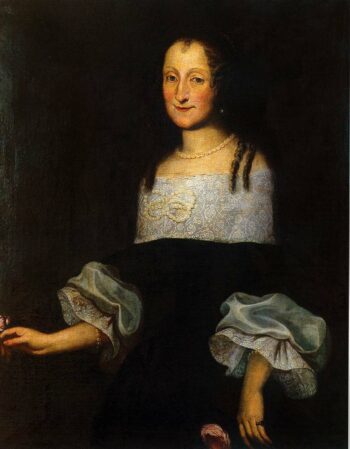
"The Gallerin"
Freifrau Elisabeth Katharina Wechsler married Hans Wilhelm Freiherr von Galler. This marriage produced her only child - her daughter Regina. The resolute lady of the castle, subsequently referred to as "Gallerin", went down in the history of Styria as an extremely striking and active figure. She was popularly known as "die schlimme Liesl" – "naughty Liesl" – because she did not shy away from any confrontation and conducted numerous lawsuits. She did not leave the command and management of the Riegersburg dominion to her husband, as was proper, but lived out her "love of building" and essentially determined the present form of the sprawling fortress. After the death of her first husband, she married Colonel Freiherr von Kapell, who died a victim of war four years into their marriage. She divorced her third husband, Baron Hans Rudolf von Stadl, who was about 35 years younger!
Johann Ernst Graf of Purgstall
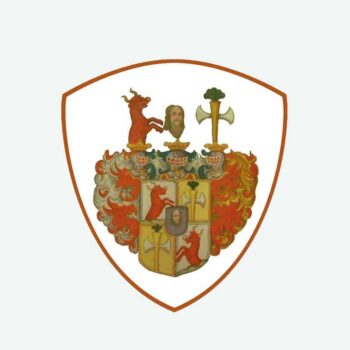
After the death of the Gallerin in 1672, the ownership of Riegersburg castle and manor passed to her daughter Regina and her son-in-law Johann Ernst Count of Purgstall. The latter completed the construction work begun by the Gallerin.
Prince Johann of Liechtenstein
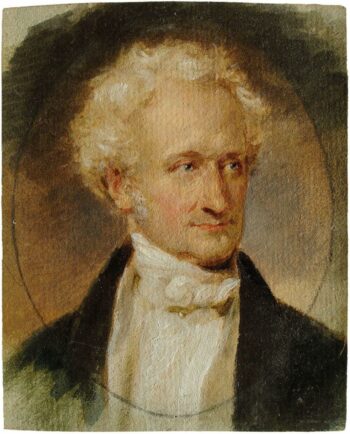
After the extinction of the Riegersburg Counts of Purgstall in 1817, Riegersburg Castle passed to a community of 17 heirs. In 1822, it was bought by Prince Johann von und zu Liechtenstein in a public auction. The Riegersburg remained in the possession of the princely Liechtenstein family, who saved it from imminent ruin after the destructions of 1945.
Family Of Liechtenstein
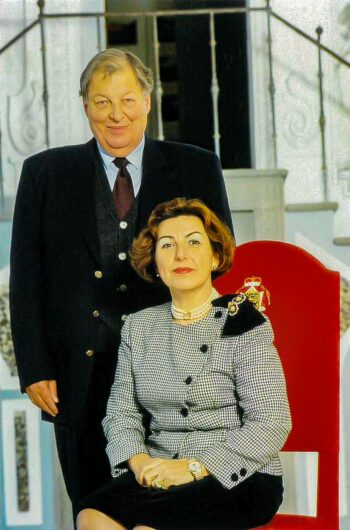
In January 1972, Prince Friedrich and Princess Annemarie became the first owners to move into their new home in Riegersburg and and started running it as a tourist attraction.
Dr. Prince Emanuel of Liechtenstein
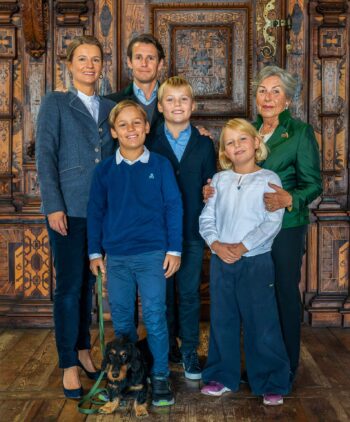
Since 2009, Dr. Prince Emanuel von und zu Liechtenstein and his family have been working to preserve the castle.